Basement Floor Drain Backing Up? Causes and Solutions
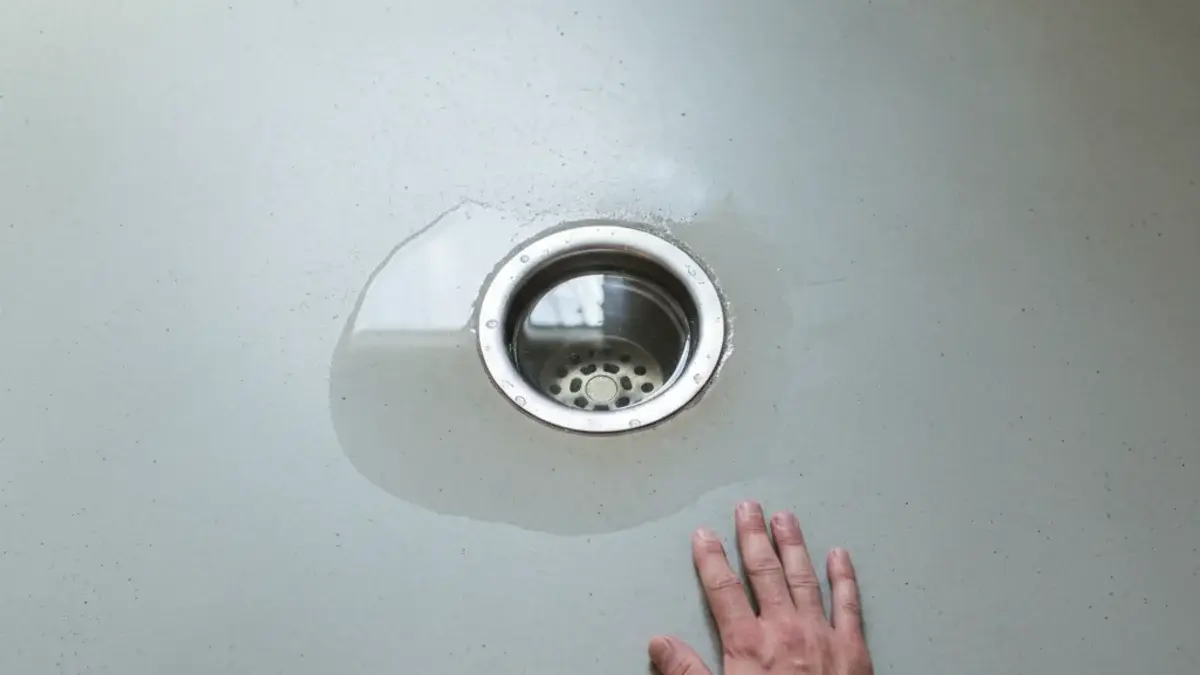
Quick answer: A basement floor drain backs up when its connecting line is partially or fully blocked — often by sediment and debris in the floor-drain line itself, or by a clog in the main sewer line it shares. Because the floor drain sits at the lowest point, it's where backups surface first. Clearing and hydro jetting the line restores capacity; if the main line is involved, the main sewer needs cleaning. In Michigan, this often shows up during heavy rain or spring thaw.
Why floor drains back up
Floor drains see little daily use, so sediment, silt, and debris settle in the line over years. When a large volume of water arrives at once — a laundry cycle, snowmelt, or heavy rain — a partially blocked line can't handle the surge and backs up at the lowest opening. A main-line clog produces the same symptom.
Because a basement floor drain sits at the lowest point in the system, it's the relief valve for the whole building — and that cuts both ways. A clog in its own connecting line backs up there, but so does a blockage in the shared main, because the floor drain is simply where backed-up water finds its way out first. That's the key question behind any floor-drain backup: is the problem in the floor-drain line itself, or in the main line it feeds into?
Telling a local clog from a main-line problem
The clues point one way or the other. If only the floor drain is affected and the rest of the house drains normally, the blockage is likely in the floor-drain line itself — sediment and debris that have settled over time. If the floor drain backs up when you run other fixtures (the washer empties and the floor drain overflows, for instance), or if other drains are slow too, the main line is involved. A camera inspection settles it definitively, so the right line gets cleaned rather than guessing.
The fix
Jetting the floor-drain line clears the sediment and restores full capacity. If the backup stems from the main sewer, that line needs cleaning instead — a camera inspection identifies which. Keeping the line clear is especially important before Michigan's wet spring season.
Hydro jetting is well suited to a floor-drain line because it flushes out the packed silt and sediment a cable would just bore through, restoring the line's full capacity to handle a surge. Heading into Michigan's spring thaw and heavy summer storms — exactly when a rush of water tests that drain — it's worth making sure the line is clear rather than discovering it's blocked mid-storm. Call (207) 419-2600 to clear a backing-up floor drain or diagnose the cause.
When to call a professional
If a clog keeps returning, more than one drain is slow, or you're dealing with backups, odors, or roots, it's time for a professional look. A camera inspection pinpoints the cause and confirms whether hydro jetting is the right fix — call (207) 419-2600 for fast local service in Sterling Heights and nearby Metro Detroit.