Is Hydro Jetting Safe for Old Pipes?
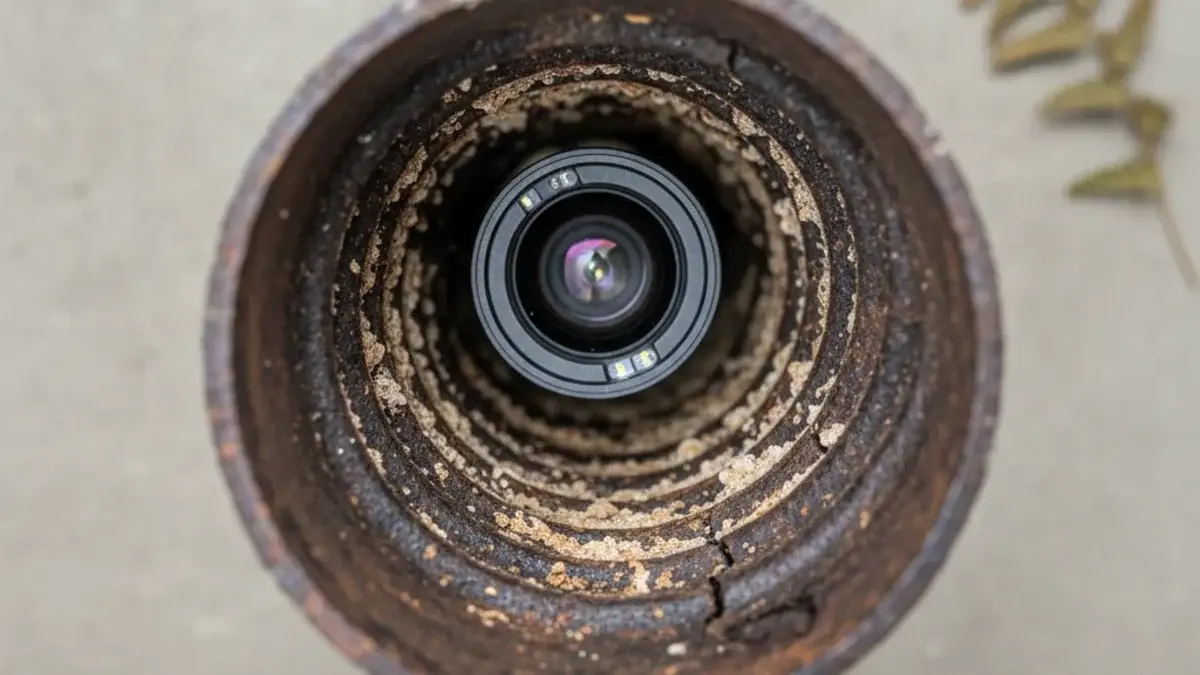
Quick answer: Yes, hydro jetting is generally safe for old pipes — provided a camera inspection confirms the line is structurally sound first. That pre-inspection is the safeguard: it lets the technician see the pipe's condition and adjust the pressure accordingly, and it rules out lines that are too deteriorated to jet safely. For homes in Sterling Heights with older cast-iron or clay laterals, the camera-first approach is exactly what makes jetting both safe and effective.
Why the camera inspection comes first
Older pipes vary widely in condition. Some cast-iron and clay lines are still perfectly sound; others have cracks, corrosion, or collapsed sections. A camera inspection shows which is which before any high-pressure water enters the line. If the pipe is sound, jetting proceeds at an appropriate pressure. If it's compromised, you'll know — and cleaning gives way to a repair conversation.
Skipping that step is where the risk lives. Putting high pressure into a line of unknown condition is a gamble; doing it after a camera confirms the pipe can take it is a controlled, routine procedure. The inspection is what turns 'is jetting safe for old pipes?' from a worry into a straightforward yes-or-no answer for your specific line.
How older pipe materials behave
The pipe materials common in older Sterling Heights homes each age differently, and knowing the material helps set expectations. Cast iron is strong but corrodes from the inside over decades, leaving a rough, scaled interior that narrows the line and can flake. Vitrified clay is durable against corrosion but brittle, with joints every few feet where roots love to enter. Both are usually fine to jet when structurally intact.
The materials to be careful with are the genuinely failing ones — heavily corroded cast iron that's lost wall thickness, cracked clay, or the old fiber-based Orangeburg pipe used in some mid-century construction, which deforms and deteriorates with age. The camera tells the technician exactly what's down there so the approach matches the pipe.
Jetting uses water, not chemicals
One reason jetting is gentler on aging plumbing than many people expect is that it relies on water alone. There are no caustic chemicals to corrode pipe walls, unlike the harsh drain cleaners that can quietly damage older lines over time.
Those store-bought chemical cleaners are often the worse choice for an old pipe: they generate heat and corrosive reactions that attack already-thin cast iron, and they frequently fail to clear the clog anyway, leaving the caustic mixture sitting in the line. Water-based jetting cleans without that chemical stress.
How pressure is adjusted for older lines
Hydro jetting isn't a single fixed setting. A trained technician dials the pressure and selects a nozzle suited to the pipe's material, diameter, and condition — using a gentler approach on an older sound line than on a robust modern one. This adjustability is part of why jetting can be appropriate for aging pipe at all: it's matched to the line, not applied at maximum force regardless of what's there.
What about severely deteriorated pipes?
If the inspection reveals a pipe that's badly corroded or cracked, jetting isn't the right step — repair or replacement is. A reputable provider will tell you this honestly rather than risk worsening the damage. The goal is a clean, functioning line, not a quick clean that creates a bigger problem.
This is the moment that separates an honest provider from a careless one. Discovering a failing pipe on camera and recommending the appropriate repair — even though it means not selling a jetting job that day — is exactly the standard you want. Jetting a line that can't take it to avoid an awkward conversation is how a manageable problem becomes an emergency.
Signs your older pipes may need inspection first
A few clues suggest extra caution and an inspection before any cleaning: repeated backups in a home built decades ago, multiple slow drains at once, sewer odors, soggy or unusually green patches in the yard over the sewer path, or a history of root problems. None of these mean jetting is off the table — they mean the camera should go in first to confirm the line's condition and guide the right approach.
The bottom line for older Sterling Heights homes
Many Sterling Heights homes run aging cast-iron and clay laterals, and for the majority of them, camera-verified hydro jetting is both safe and the most effective way to clear stubborn, recurring clogs. The age of your pipes isn't a reason to avoid jetting — it's the reason to insist on the camera inspection that makes jetting safe. Call (207) 419-2600 and we'll start by seeing what's actually in your line.
When to call a professional
If a clog keeps returning, more than one drain is slow, or you're dealing with backups, odors, or roots, it's time for a professional look. A camera inspection pinpoints the cause and confirms whether hydro jetting is the right fix — call (207) 419-2600 for fast local service in Sterling Heights and nearby Metro Detroit.