What Is Hydro Jetting? A Plain-English Guide
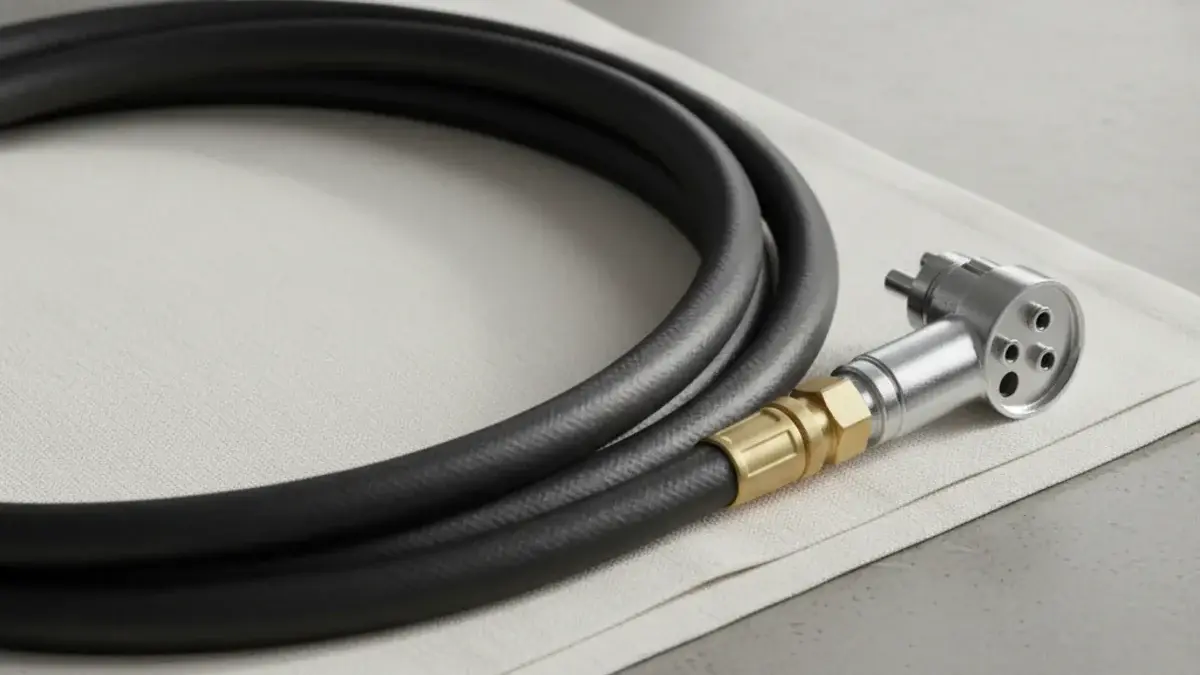
Quick answer: Hydro jetting is a drain and sewer cleaning method that uses a high-pressure stream of water — often up to about 4,000 PSI — to scour the inside of a pipe and clear out grease, sludge, scale, roots, and debris. Unlike a drain snake, which punches a hole through a clog, jetting cleans the entire pipe wall, so flow is fully restored and clogs are far less likely to come back. It's the go-to solution for stubborn, recurring, or heavy blockages in homes and businesses.
How hydro jetting works
A hydro jetter is a machine that pressurizes water and sends it through a specialized hose and nozzle inserted into your drain or sewer line. The nozzle directs powerful jets forward to break apart the blockage and backward to propel the hose through the pipe while scouring the walls and flushing debris toward the sewer.
Two numbers describe a jetter's power: pressure, measured in PSI (often up to roughly 4,000 for drain and sewer work), and flow, measured in gallons per minute. Pressure is what cuts through grease, scale, and roots; flow is what carries the loosened debris away. A trained technician balances both for the line at hand — too little and the job is incomplete, too much for a fragile pipe and you risk damage, which is why the equipment is matched to the situation rather than cranked to maximum.
The nozzles that do the work
Most of a jetter's versatility comes from the nozzle on the end of the hose. Swapping nozzles lets one machine handle very different problems without changing the underlying approach.
- Penetrator nozzles concentrate jets forward to punch through a fully blocked section and re-establish flow
- Spinner (rotary) nozzles spray rotating jets that scour grease, soap scum, and scale evenly off the entire pipe wall
- Root-cutter nozzles use cutting jets to slice through invasive tree roots and flush the fragments out
- Flushing nozzles move large volumes of water to carry loosened sediment and debris downstream
What hydro jetting removes
Because it cleans the full diameter of the pipe rather than boring a single channel, jetting tackles the buildup that causes clogs to return.
- Hardened grease, fat, and soap scum
- Sludge, sediment, and biofilm
- Mineral scale from hard water
- Tree roots in sewer lines
- Food waste, paper, and general debris
Hydro jetting vs. snaking: the key difference
The most useful way to understand jetting is to compare it to the tool most people already know: the drain snake, or cable auger. A snake is a long flexible cable with a cutting or grabbing head that's pushed into the line and spun to break through a clog. It's quick, inexpensive, and genuinely effective for a simple, localized blockage near the drain opening — a wad of hair in a bathroom line, for instance.
The limitation is that a snake bores a hole through the blockage and stops there. The grease, scale, and biofilm coating the rest of the pipe wall stay put, so the line is still narrowed and the clog tends to return. Jetting does the opposite: it scours the entire wall and restores the pipe's full diameter, which is why results last so much longer on heavy or recurring buildup. Neither tool is 'better' in the abstract — the right choice depends on the clog, and a good plumber tells you honestly which one your situation calls for.
When you need hydro jetting
Jetting is the right tool when a clog keeps coming back, when several drains are slow at once, when grease or roots are involved, or when you want a thorough preventive clean. A simple, one-off clog near the drain opening may only need snaking — and an honest plumber will tell you which situation you're in after a quick diagnosis or camera inspection.
In Sterling Heights and the surrounding Metro Detroit area, jetting is especially common in older homes with cast-iron or clay laterals, properties with mature trees over the sewer, and restaurants and commercial kitchens dealing with constant grease. These are exactly the conditions — aging pipe, root pressure, and heavy grease load — where buildup accumulates fastest and snaking offers only a short reprieve.
What a hydro jetting visit looks like
A typical job follows a clear sequence. The technician starts by understanding the symptoms and locating a usable access point or cleanout. Where it helps, a sewer camera goes in first to confirm the pipe's condition, rule out a structural problem, and pinpoint exactly where the trouble sits. Then the jetting hose is fed in, the right nozzle and pressure clean the full length of pipe, and the debris is flushed out to the municipal sewer.
The visit usually ends with a flow test and, where useful, a second camera pass so you can see the line is genuinely clear rather than just temporarily moving. That before-and-after verification is part of what separates professional jetting from a quick clear-and-go — you finish knowing the actual condition of your line.
Is hydro jetting safe for my pipes?
For pipes in sound condition, yes — jetting uses water, not chemicals, and is safe for PVC, cast iron, and clay. The key safeguard is a camera inspection beforehand, which confirms the pipe can handle the pressure. Severely deteriorated lines may need repair before any cleaning, which is exactly why the inspection matters.
Done correctly, jetting is gentler on your plumbing than the harsh chemical drain cleaners many people reach for first — those rely on caustic reactions that can corrode older pipe over time, while water simply cleans. The judgment of a trained technician, backed by the camera, is what keeps the process safe across the range of pipe materials found in Metro Detroit homes.
How long results last
Because the pipe wall is actually cleaned rather than just punctured, a properly jetted line can stay clear for years, where a snaked line often re-clogs within weeks or months. The exact lifespan depends on the condition of your pipe and what goes down the drain — a grease-heavy commercial kitchen will need more frequent attention than a careful household. For lines with chronic issues like active root intrusion, a periodic jetting schedule keeps small problems from growing back into blockages.
When to call a professional
If a clog keeps returning, more than one drain is slow, or you're dealing with backups, odors, or roots, it's time for a professional look. A camera inspection pinpoints the cause and confirms whether hydro jetting is the right fix — call (207) 419-2600 for fast local service in Sterling Heights and nearby Metro Detroit.